
The Internet in the 1990s was noisy, slow, strange, exciting, and completely life-changing. If you were there, you probably remember the dial-up modem song, the family phone line being tied up, the thrill of hearing “you’ve got mail,” and the feeling that every website was a tiny handmade room someone had opened to the world. If you were not there, imagine a version of the internet that felt less like an invisible utility and more like a place you visited on purpose.
Today’s internet is always on. It follows us through phones, watches, cars, TVs, and kitchen speakers. The 1990s internet was different. You had to connect to it. You had to wait for pages. You had to know where you were going or rely on directories, message boards, magazines, and friends. That friction made it frustrating, but it also made it memorable. The web felt open, experimental, and a little handmade because it was.
The decade also mattered historically. The 1990s turned the internet from a research and academic network into a commercial, cultural, and household phenomenon. The World Wide Web spread beyond laboratories. Browsers made it visual. Online services made it familiar. Search engines made it navigable. E-commerce made it a market. By the end of the decade, the internet was no longer a niche technology story. It was becoming the operating system of modern life.
The 1990s Internet Was Not Just the Web
One helpful distinction: the internet and the World Wide Web are not the same thing. The internet is the network of networks, built on protocols that let computers communicate. The web is one major service that runs on top of that network, using web pages, links, browsers, and addresses. In casual conversation we often use the words interchangeably, but the difference matters when talking about the 1990s.
The internet had roots long before the 1990s. It grew out of ARPANET, packet switching, TCP/IP, academic networking, government research, and years of standards work. The Internet Society’s brief history emphasizes that the internet succeeded because government, academia, and industry helped evolve it into a broadly deployed information infrastructure. By the 1990s, that foundation was ready for mass adoption.
The web was the spark that made ordinary people care. CERN notes that Tim Berners-Lee invented the World Wide Web in 1989 while working there, originally to help scientists share information. The first website lived on Berners-Lee’s NeXT computer. On April 30, 1993, CERN placed the World Wide Web software in the public domain and later released it under an open license. That decision was huge. It allowed the web to spread without licensing friction.
Dial-Up Made Going Online Feel Like an Event
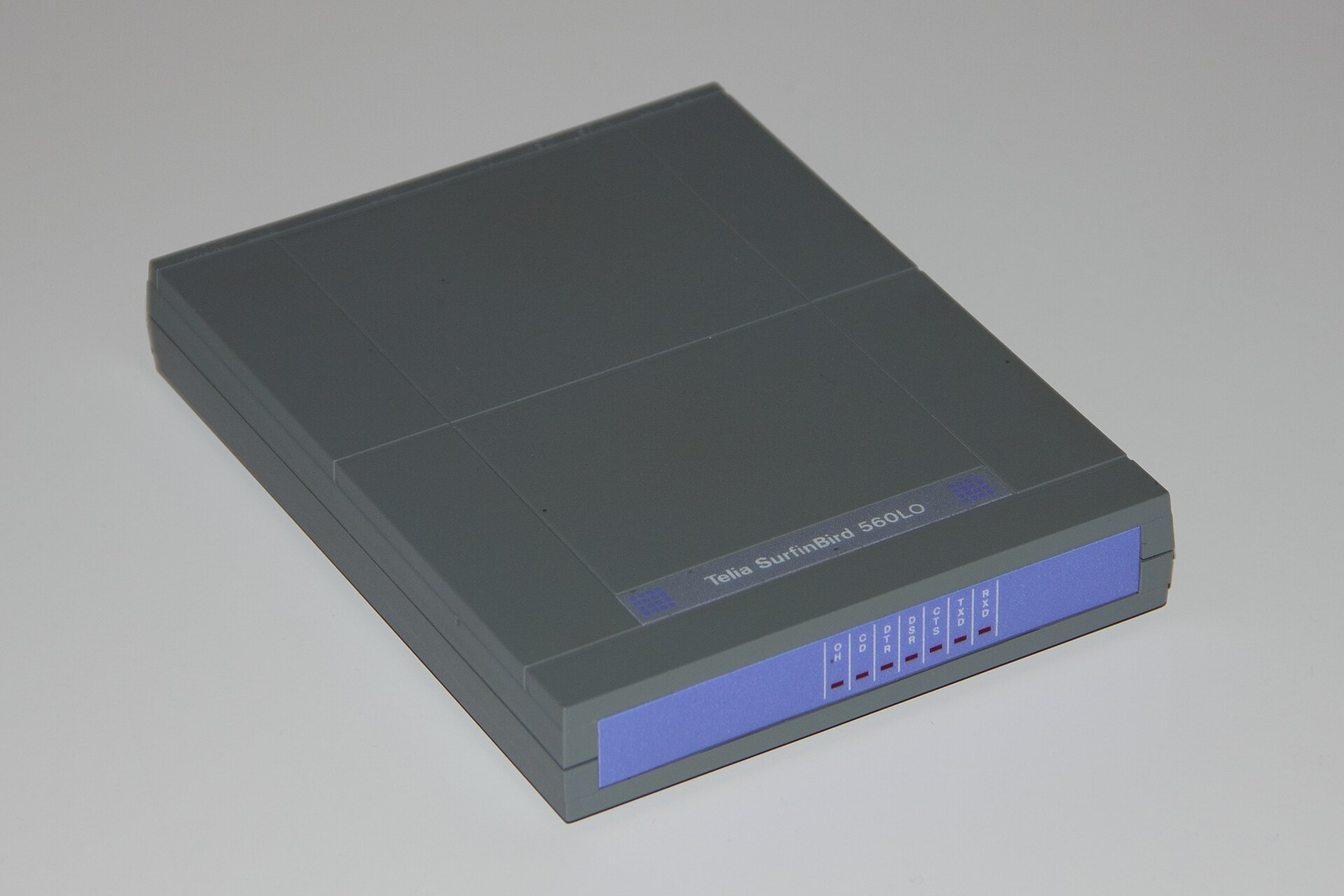
For many households, the 1990s internet meant dial-up. You clicked connect, listened to a modem perform its electronic handshake, and hoped nobody picked up the phone. Speeds like 14.4, 28.8, and eventually 56k were not just numbers; they shaped the entire experience. Images loaded line by line. Downloads took patience. Streaming video, as we know it now, was not realistic for most people.
That slowness influenced design. Websites were lighter. Pages used simple HTML, tiled backgrounds, tiny GIFs, and a lot of text. A homepage might have a visitor counter, a guestbook, a blinking banner, a MIDI file, and a proud “under construction” image. It was not polished by modern standards, but it felt personal. The web had not yet been fully standardized into the smooth corporate surfaces we recognize today.
Access also had a ritual. You might use AOL, CompuServe, Prodigy, EarthLink, a local internet service provider, or a university connection. Many people first learned the internet through an online service rather than the open web itself. AOL in particular gave beginners a front door: email, chat rooms, news, games, communities, parental controls, and eventually a web browser. It was training wheels and a walled garden at the same time.
What 1990s Internet Use Looked Like
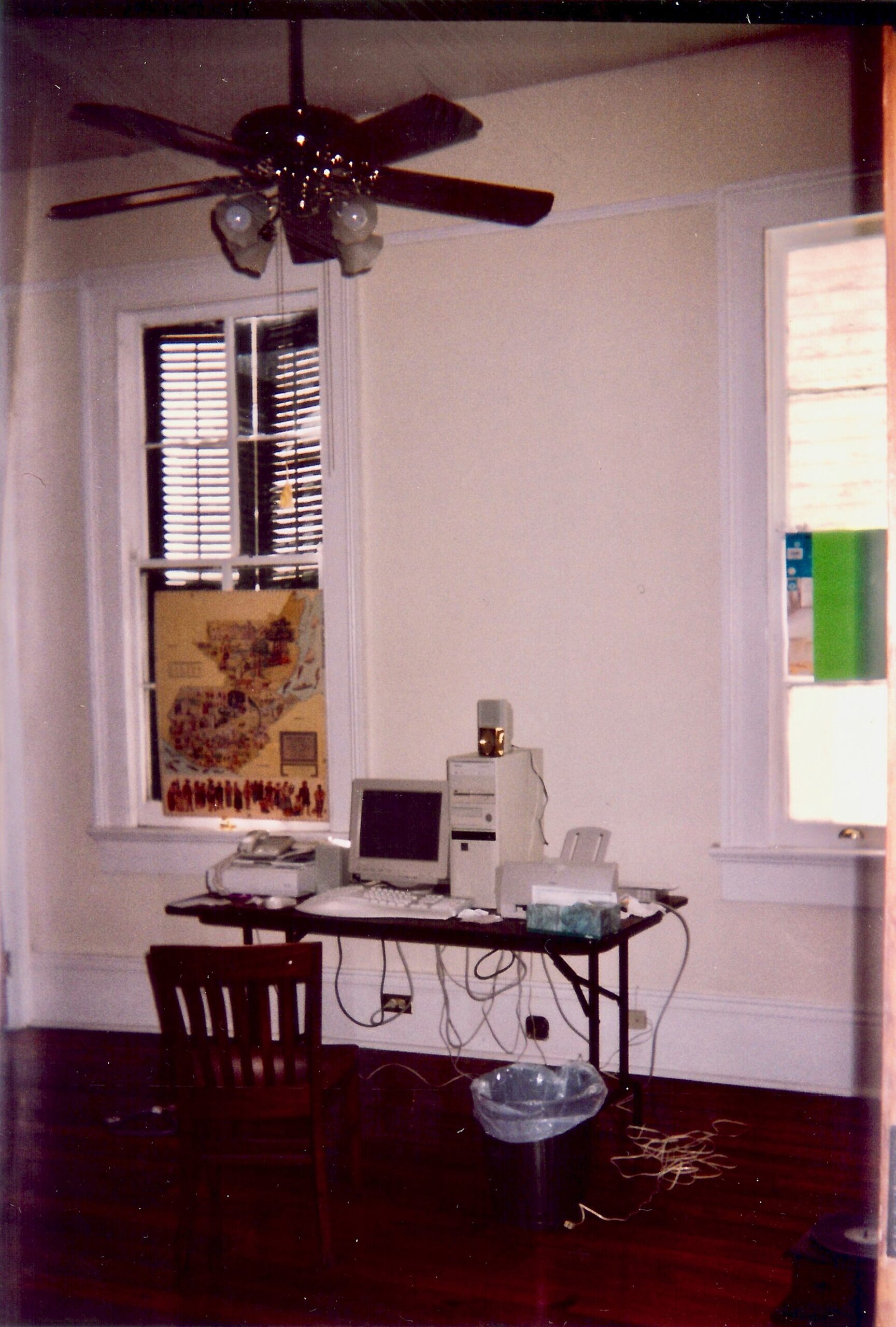
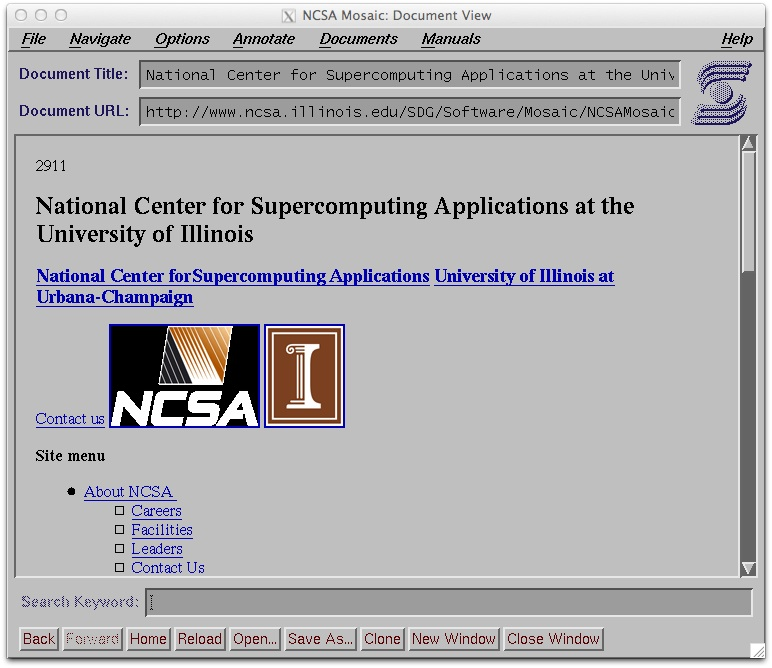
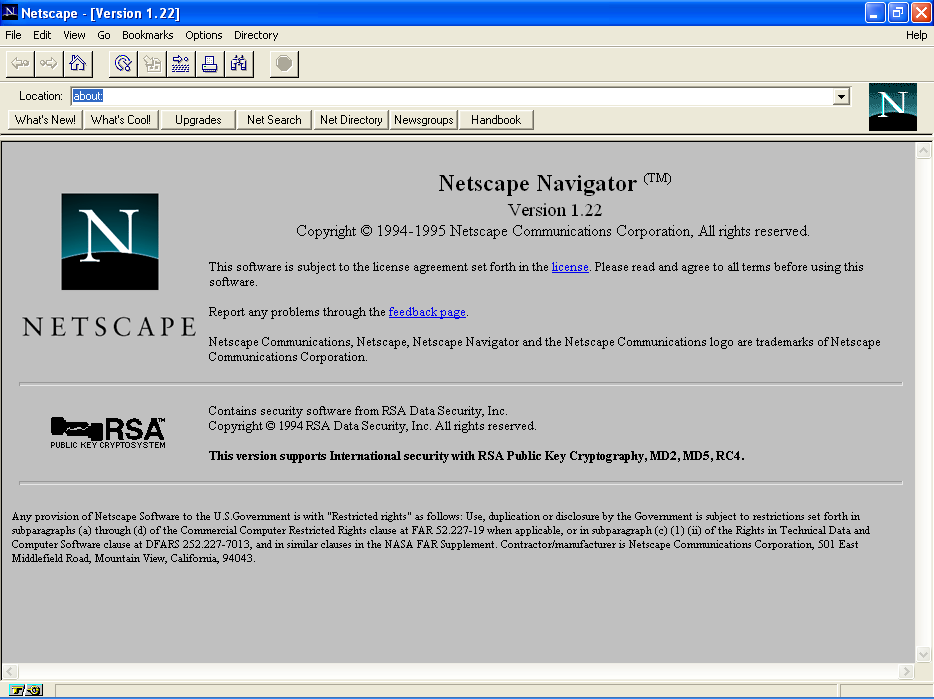
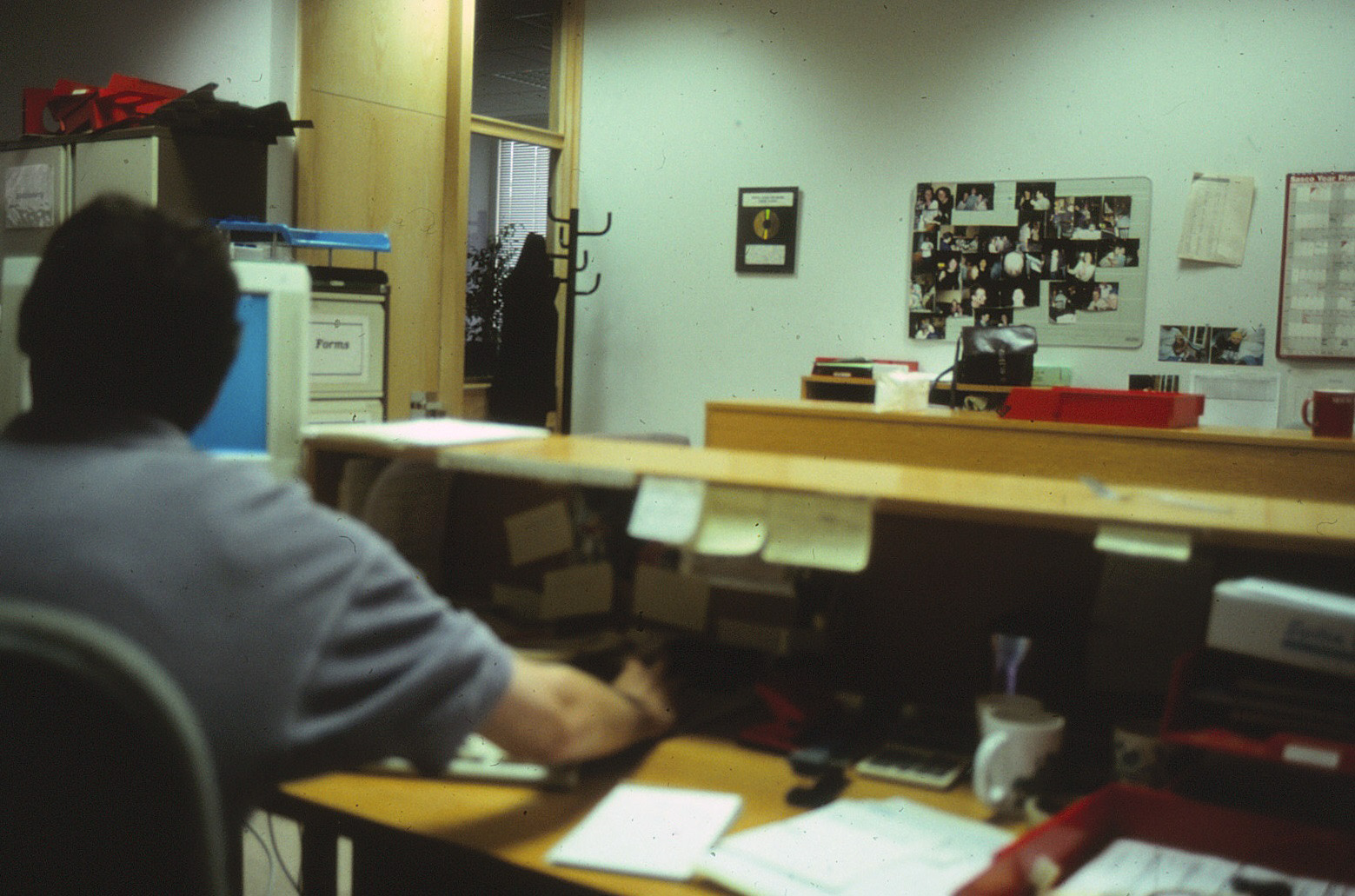
To make the era easier to picture, here are several legally reusable examples from Wikimedia Commons. They show the practical side of getting online: a home computer tied to a telephone line, a 56k modem, early graphical browsers, and an office workstation from the late 1990s.
Browsers Turned the Internet Into Something You Could See
Early internet tools could be powerful but intimidating. You might use email, FTP, Telnet, Usenet, Gopher, or command-line programs. Useful, yes. Friendly, not always. Browsers changed that. They made the web visual, clickable, and approachable.
The W3C’s web history notes that early browsers and servers appeared in the early 1990s, with the line-mode browser helping make the web more accessible beyond Berners-Lee’s original NeXT machine. Mosaic, released in 1993 by the National Center for Supercomputing Applications, became a turning point because it made web browsing graphical and easier for non-specialists. Suddenly, pages could feel like documents, magazines, posters, maps, catalogs, and communities.
Netscape Navigator followed in the mid-1990s and quickly became the browser people associated with the early commercial web. Netscape helped popularize features that made pages feel faster and more dynamic. Then Microsoft bundled Internet Explorer with Windows, and the browser wars began. That competition pushed the web forward, but it also created problems: incompatible tags, inconsistent rendering, and websites that worked best in one browser. If you ever saw a “Best viewed in Netscape” badge, you were looking at a piece of that era.
Directories, Search Engines, and the Joy of Getting Lost
Search was not always the obvious starting point. In the 1990s, the web was smaller, messier, and harder to map. Yahoo began as a human-edited directory, which made sense when the web felt like a growing library of interesting places. You clicked through categories. You wandered. You discovered sites because someone had organized them, recommended them, or linked to them from a personal page.
Other search tools and portals competed for attention: AltaVista, Lycos, Excite, HotBot, Ask Jeeves, AOL, MSN, and more. They were not just search boxes. They were front pages for the internet, mixing news, weather, email, finance, shopping, games, and links. The portal was a very 1990s idea: give people one homepage and hope they never leave.
Google arrived in 1998 with a cleaner approach to search. It did not become dominant overnight, but it pointed toward the next phase. The web had grown too large for pure directories. Ranking, relevance, links, and speed mattered more and more. The 1990s ended with a clear lesson: finding information was becoming just as important as publishing it.
Email, Chat Rooms, Forums, and the First Social Internet
Social media did not begin with Facebook, Instagram, or TikTok. The 1990s internet was deeply social, just in different shapes. Email was essential. Usenet groups hosted sprawling discussions. IRC channels let people talk in real time. AOL chat rooms gave millions of beginners their first taste of online identity. ICQ and AIM made instant messaging feel casual and alive.
There were also web forums, fan sites, mailing lists, MUDs, early role-playing communities, and personal homepages. GeoCities, Angelfire, Tripod, and similar services let people build pages about their hobbies, families, favorite bands, TV shows, poems, sports teams, pets, or theories about life. Some pages were ugly. Some were brilliant. Many were both.
This early social web had a different rhythm. There were fewer algorithms deciding what you saw. Discovery often came through links, webrings, blogroll-like lists, forums, and word of mouth. Online identity was flexible, sometimes freeing, sometimes chaotic. Screen names mattered. Avatars were primitive. Privacy norms were still forming. Netiquette guides existed because nobody was quite sure how humans should behave in this new public-private space.
E-Commerce and the Dot-Com Boom
Once the web became easier to use, businesses rushed in. Online shopping moved from novelty to strategy. Amazon began as an online bookstore in the mid-1990s. eBay turned auctions into a mainstream online activity. Travel sites, job boards, classified ads, online banking, stock trading, and early payment systems all pushed the idea that the internet was not just for information. It was for transactions.
Money followed excitement. The late 1990s dot-com boom was fueled by real technological change and unrealistic expectations at the same time. Investors saw the future, but sometimes forgot to ask whether a company had customers, profits, logistics, or a business model. A memorable domain name and a public offering could briefly look like a plan.
The crash came after the decade ended, but the boom still left a lasting mark. The hype burned away many weak companies, but the underlying shift was real. People did move online. Shopping did move online. Advertising did move online. Work, media, banking, dating, education, and entertainment all changed because the 1990s made the internet commercially normal.
What Was Frustrating About the 1990s Internet
It is easy to romanticize the 1990s internet, but it was not all digital magic. Connections dropped. Downloads failed at 97 percent. Search results could be terrible. Spam grew. Pop-up ads multiplied. Viruses spread through email attachments and sketchy downloads. Kids found things parents did not expect. Adults found things adults probably should have expected.
The web also had serious access gaps. Computers were expensive. Home internet service cost money. Rural access could be limited. Schools and libraries helped close some gaps, but not everyone arrived online at the same time or with the same comfort level. Pew Research Center notes that when it began systematically tracking U.S. adult internet usage in early 2000, about half of adults were already online. That means the 1990s brought enormous growth, but also a big divide between connected and unconnected households.
Why the 1990s Internet Still Matters
The 1990s internet still matters because it established patterns we live with today. The hyperlink became a way of thinking. Search became a gatekeeper. Browsers became platforms. Domain names became valuable property. Online communities proved that strangers could create culture together. E-commerce showed that trust could be built through ratings, reviews, encryption, and convenience.
It also reminds us that the internet was not inevitable in its current form. Choices mattered. CERN’s decision to make the web freely usable mattered. Open standards mattered. The messy competition among browsers, portals, ISPs, directories, and search engines mattered. The early web was weird because many different people could shape it.
That is the best reason to remember it. The 1990s internet was not perfect, but it was full of possibility. It felt like a place where a student, hobbyist, small business, fan community, artist, teacher, or curious kid could publish something and be found. Today’s internet is faster, richer, and more powerful. The 1990s version was smaller, slower, and rougher around the edges. But it carried a powerful idea: the world could be connected by links, and anyone could add a page.
A Quick 1990s Internet Timeline
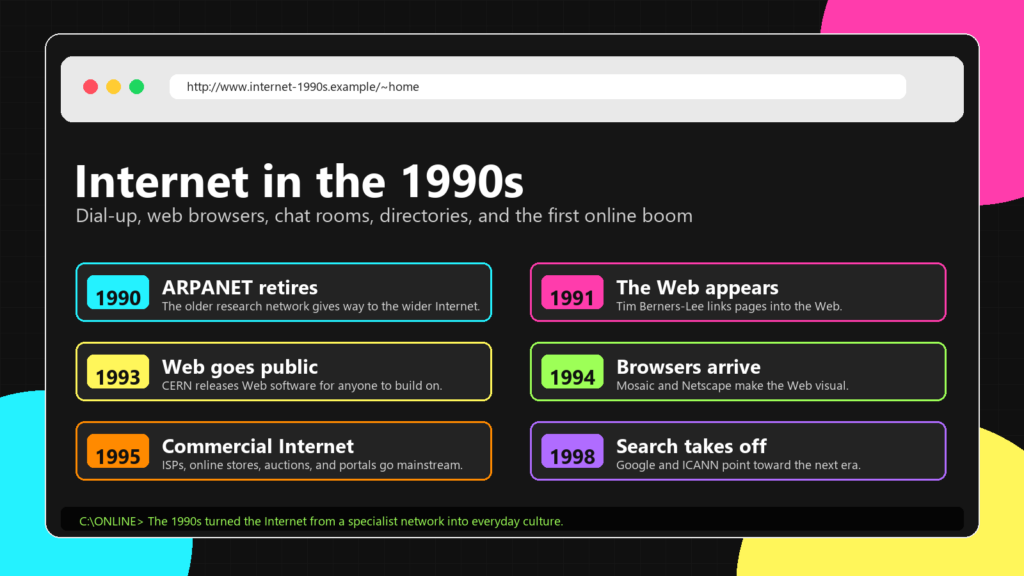
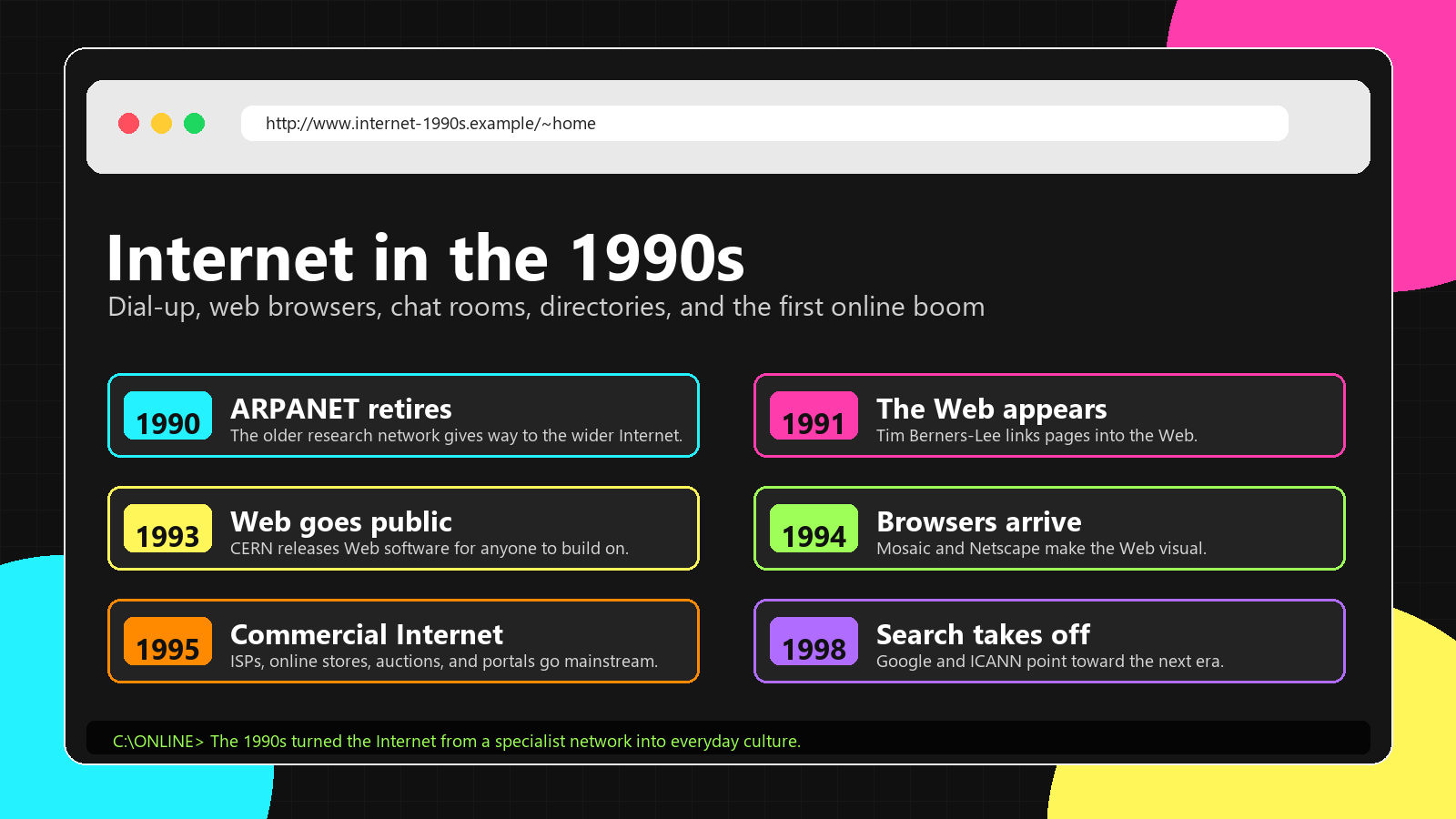
If you want the decade in quick-scan form, here is the rough arc. The early 1990s were about opening the door, the middle of the decade was about making the web usable, and the late 1990s were about turning online attention into business models.
- 1990: ARPANET was decommissioned, while TCP/IP networking had already become the foundation for the wider internet.
- 1991: the World Wide Web became available beyond its first CERN environment, giving linked pages a path to spread.
- 1993: CERN made the Web freely usable, and Mosaic helped make browsing visual and approachable.
- 1994: Yahoo, Netscape, and early web directories showed that the web needed front doors.
- 1995: commercialization accelerated as ISPs, online stores, auctions, and domain names became everyday business concerns.
- 1998-1999: Google, ICANN, instant messaging, file sharing, and dot-com fever pointed toward the internet of the 2000s.
For more technology reading, see the Computer Science section, AI Safety for Families, and How People Feel About AI Today.